Common choice
Asphalt shingles
Versatile, efficient, and suitable for most pitched residential roofs. Quality underlayment, ventilation, starter courses, and flashing details matter as much as the shingle brand.
20–35 years
The best roof system depends on slope, architecture, exposure, budget, ventilation, and how long you want to hold the property. We compare materials plainly so the estimate is a construction decision, not a sales pitch.
Versatile, efficient, and suitable for most pitched residential roofs. Quality underlayment, ventilation, starter courses, and flashing details matter as much as the shingle brand.
Long-lived and architecturally refined, especially for historic homes and premium restorations. It needs experienced handling, proper fastening, and careful copper or metal flashing work.
Strong curb appeal with excellent durability when the structure can support it. Tile roof planning should include weight, underlayment life, fastening, snow exposure, and repair access.
Built around membrane quality, seams, drainage, penetrations, parapet walls, and maintenance access. Flat roofs need regular checks because ponding water and small punctures can spread quietly.
Clean, durable, and strong for premium homes, additions, and exposed rooflines. Expansion, fastening, panel detailing, and ice management need to be planned before installation.
Warm and traditional, with higher maintenance demands than many modern systems. Proper ventilation, fire-rating considerations, and local code fit should be reviewed early.
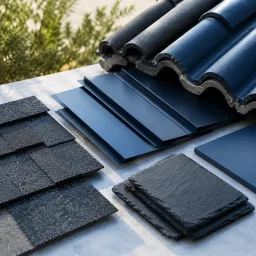
The material you see from the street is only one layer. Weather protection depends on the parts underneath and around it.
For a rental building, access and maintenance may drive the decision. For a historic home, architectural fit and detail work may matter more. For a low-slope commercial roof, drainage and membrane seams are usually the starting point.
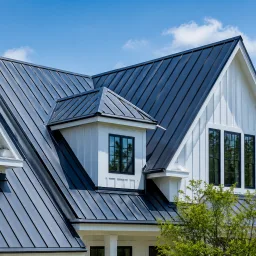

Schedule a free inspection and we will review slope, access, current roof age, ventilation, and realistic material options before preparing the estimate.